I tend to favor minimally processed astrophotographs. While color-enhanced images are visually striking, working with data closer to its original form helps preserve scientific detail and better reflects the physical nature of these objects. This perspective connects to my broader interest in analyzing astronomical data, such as variable star light curves, where preserving the original signal is essential.
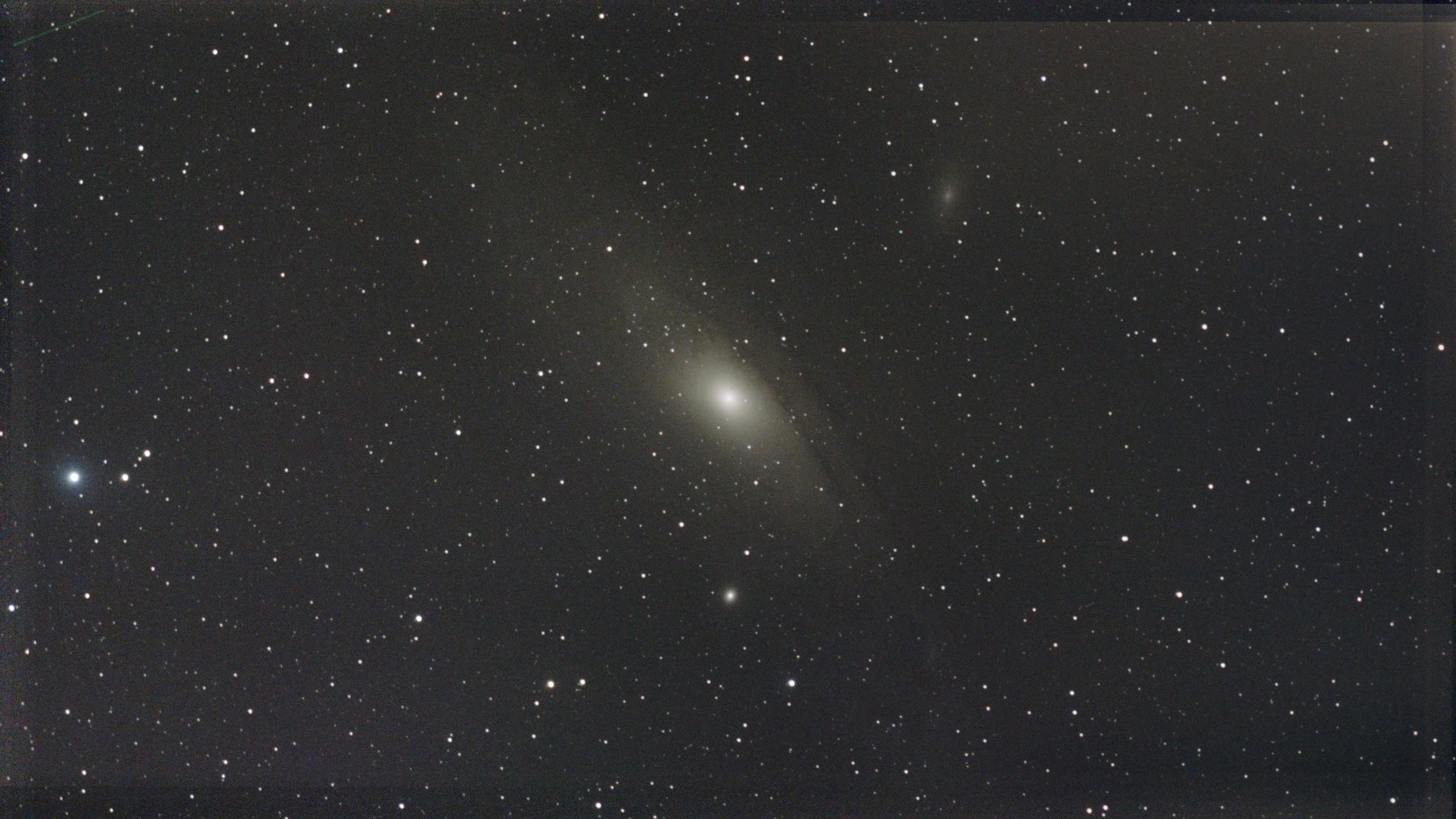
Andromeda Galaxy (M31), captured Feb 23, 2026. Minimal processing preserves the natural light distribution, keeping the galaxy’s core and surrounding structure closer to the original observed signal.
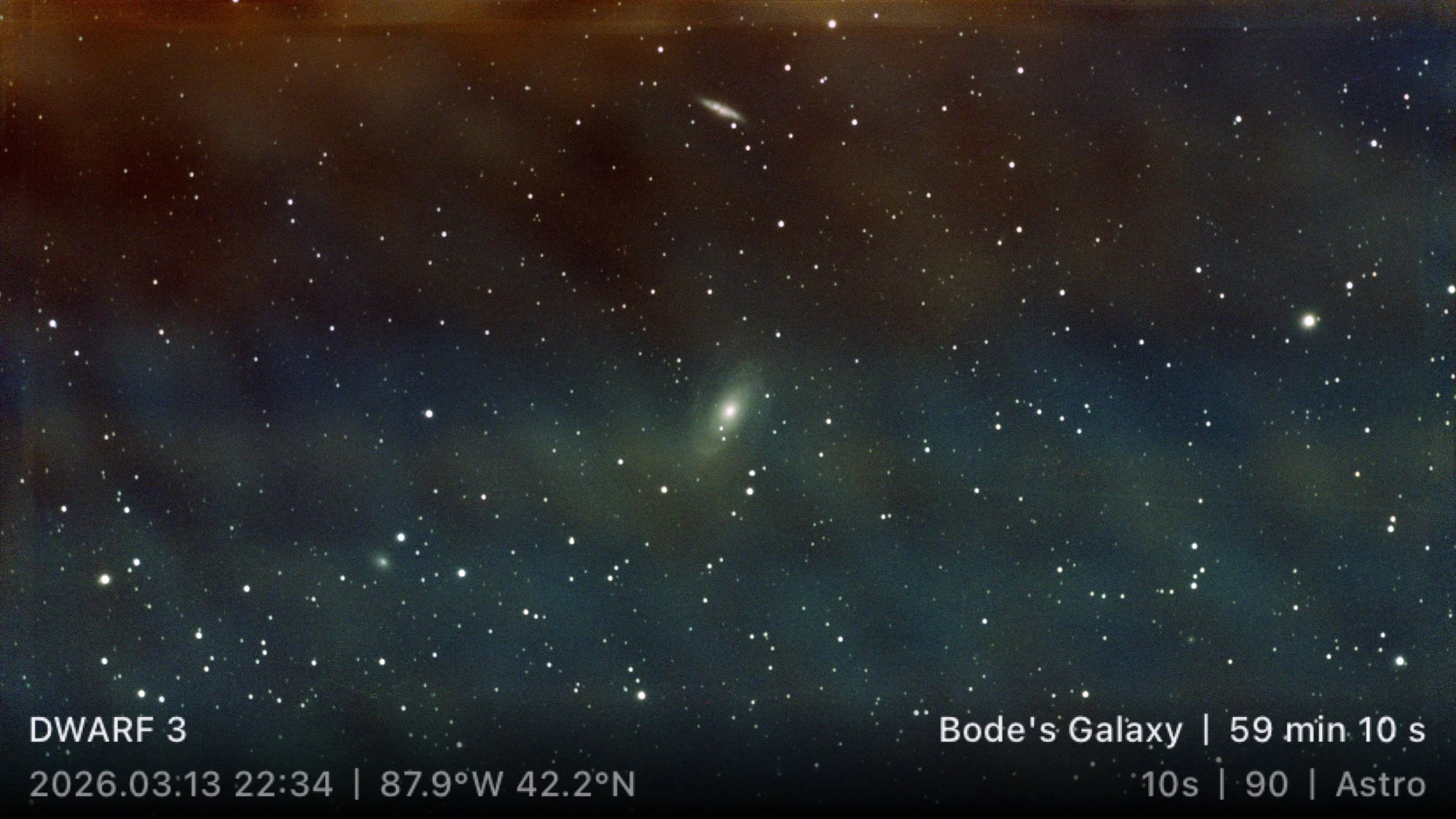
M81 (Bode’s Galaxy) and M82 (Cigar Galaxy), Mar 13, 2026. Preserving the original light distribution reveals structural differences between the two galaxies, reflecting underlying physical processes rather than enhanced visual effects.
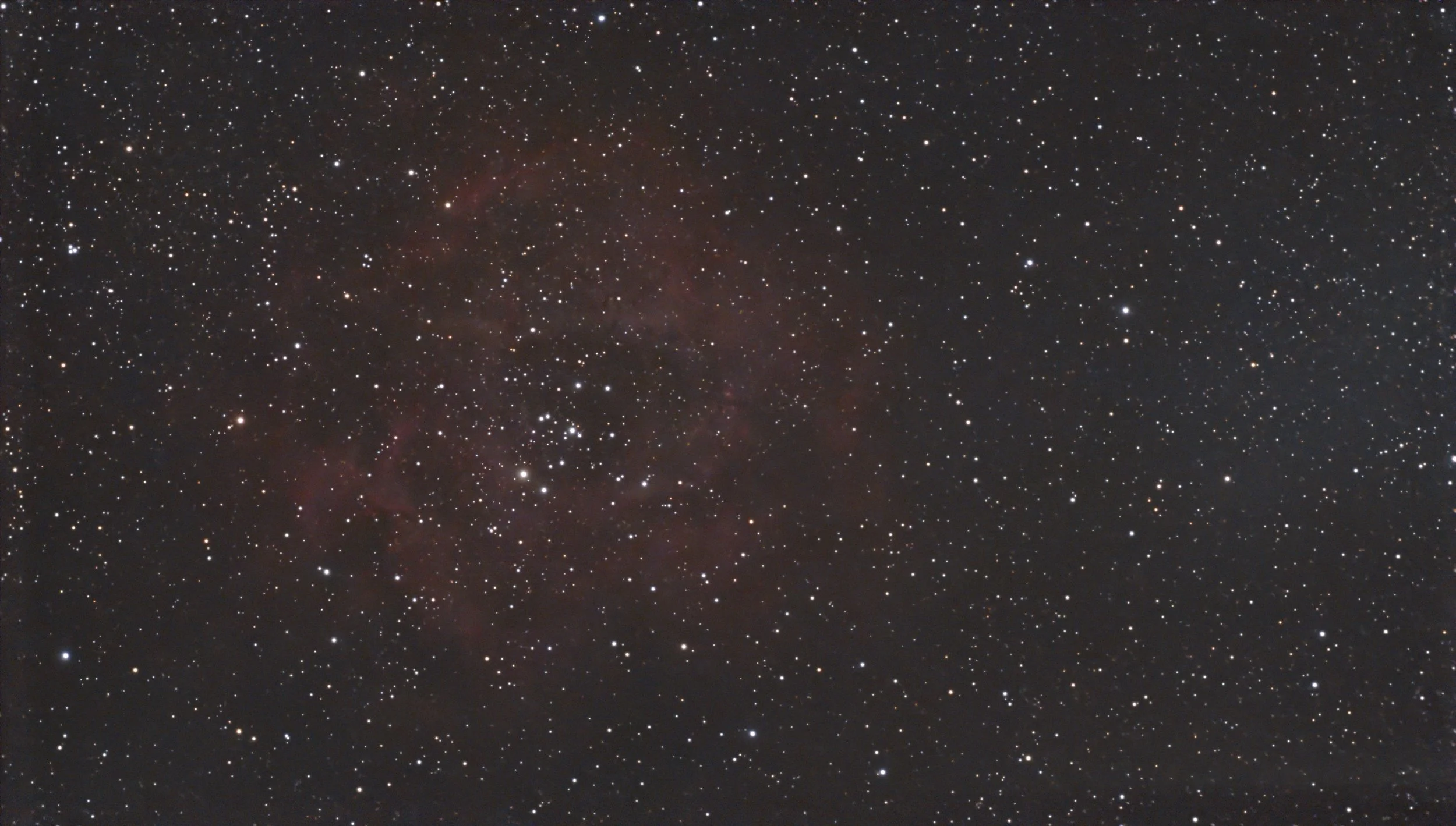
Rosette Nebula (NGC 2237), a star-forming region in Monoceros. This minimally processed image retains the faint hydrogen emission and the central star cluster’s relative brightness.
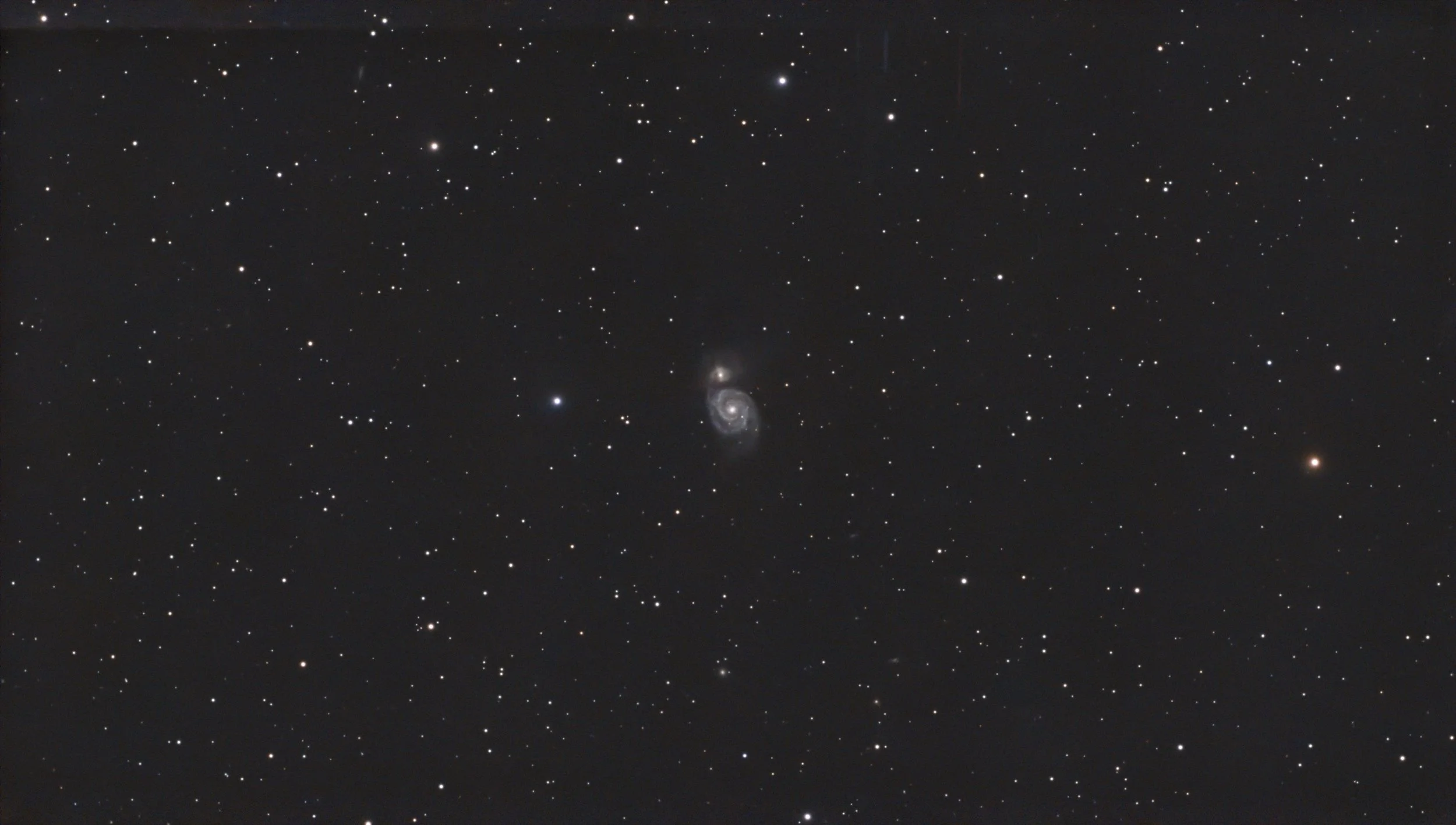
Whirlpool Galaxy (M51) interacting with NGC 5195. Limiting post-processing helps retain structural detail and tidal features produced by their gravitational interaction.
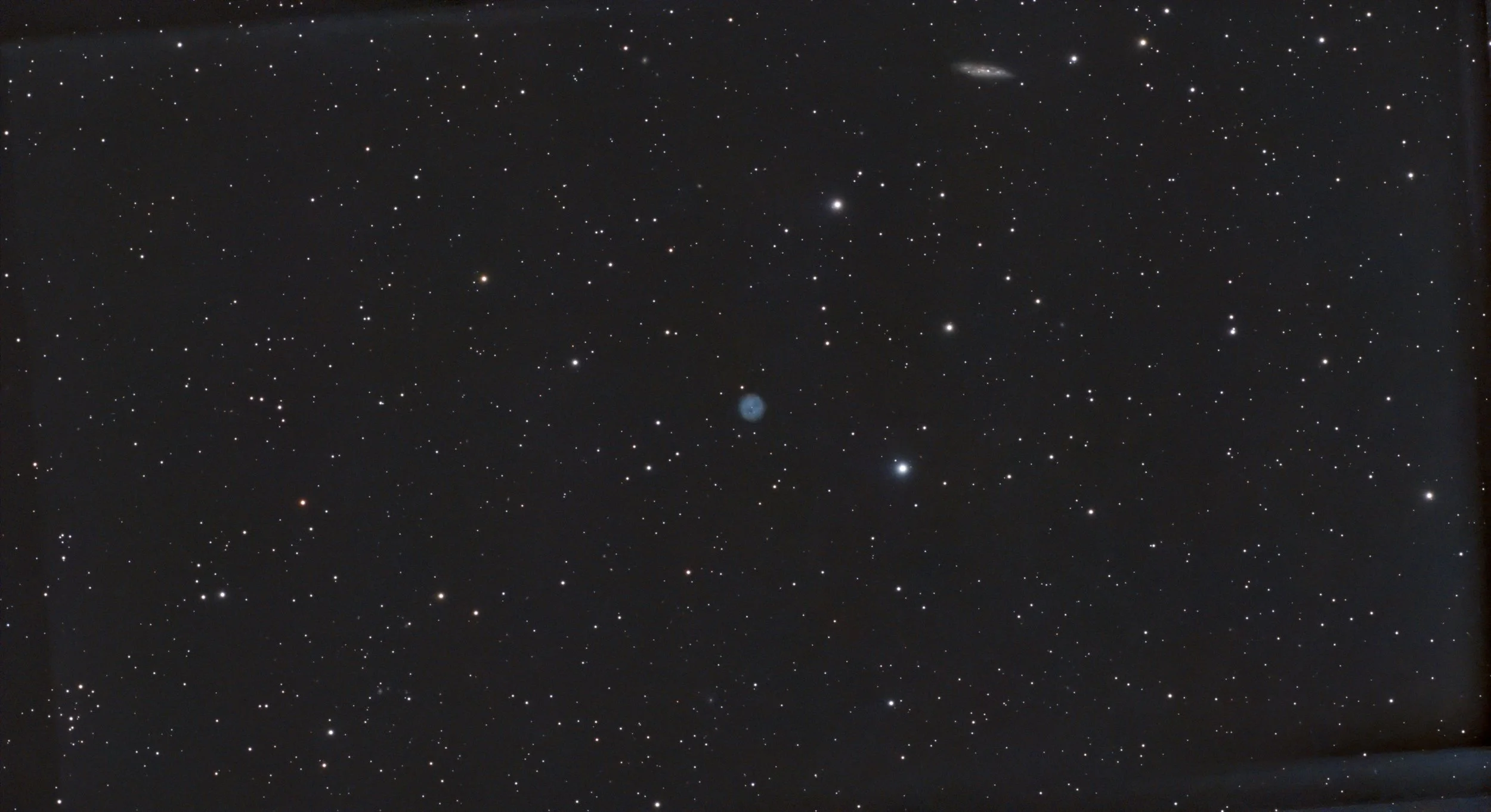
Owl Nebula (M97), a planetary nebula. Its faint circular structure is visible within the surrounding star field, with the edge-on galaxy M108 appearing in the same field.
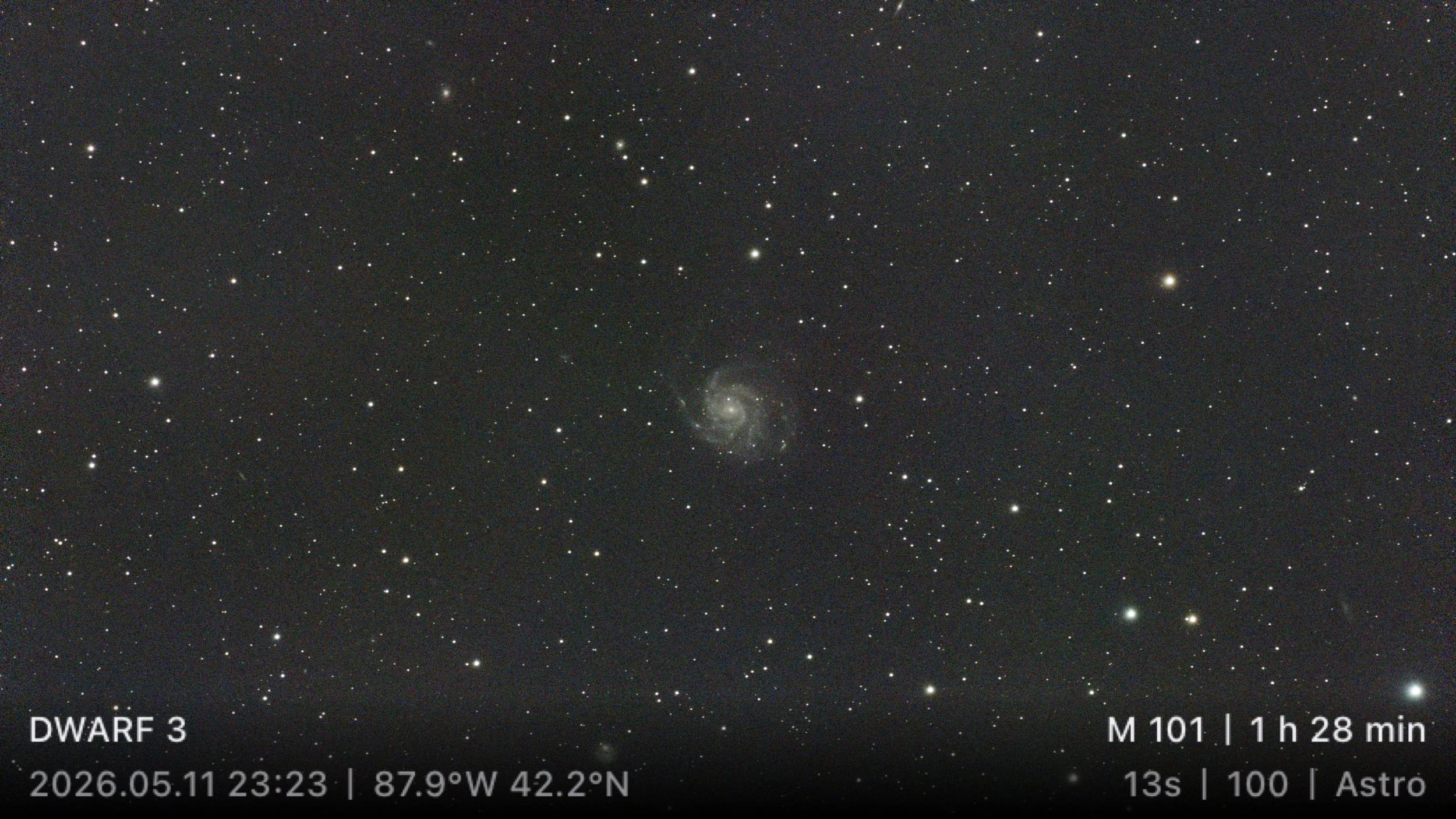
Pinwheel Galaxy (M101), a face-on spiral galaxy in Ursa Major. Its diffuse spiral arms and central core are visible within the surrounding star field, with several distant background galaxies faintly appearing throughout the image.